Lab Director
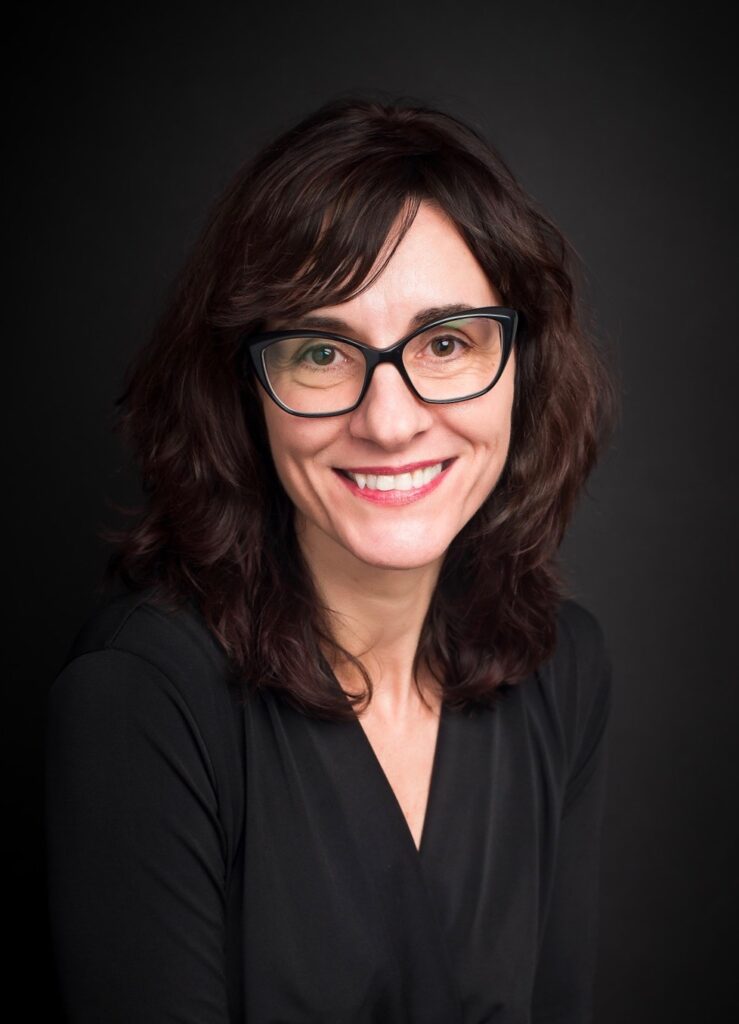
Patricia Ganea, Ph.D.
patricia.ganea@utoronto.ca
CV
My primary research area is early cognitive development. Current studies in our lab examine the cognitive and linguistic mechanisms underlying the development of counterfactual reasoning and how the ability to think of alternatives to reality can support children’s learning and development.
Postdoctoral Fellows
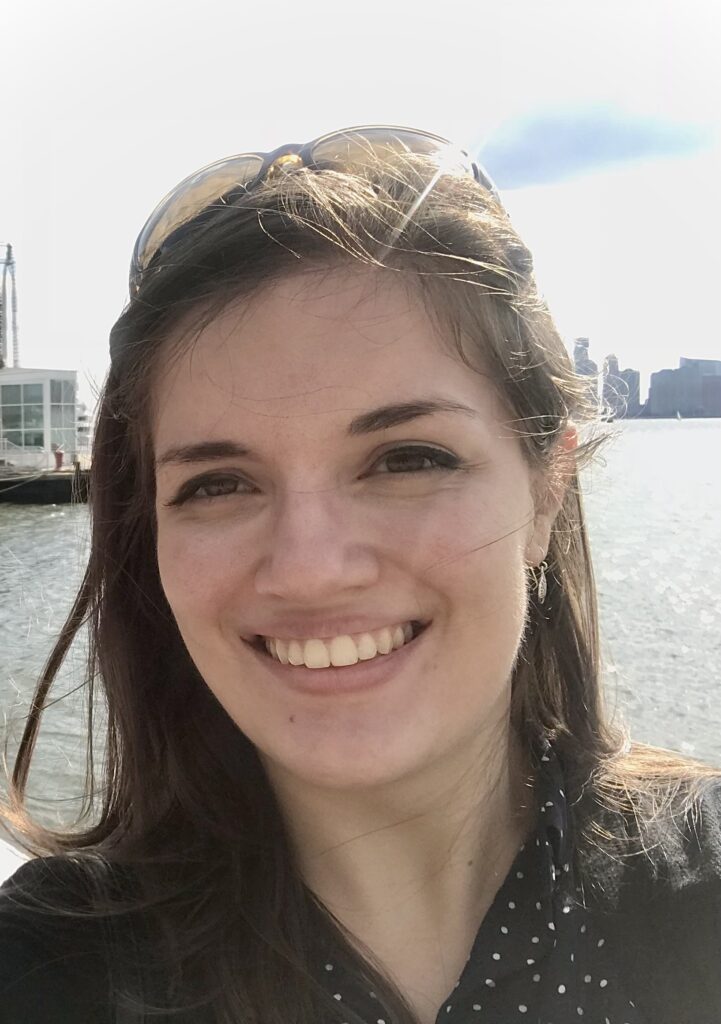
Ioana Grosu, Ph.D.
ioana.grosu@utoronto.ca
Ioana recently completed her PhD in Linguistics at New York University. Her research primarily focuses on the interplay between possibility reasoning and the language used to express possibilities, with an emphasis on counterfactual constructions (e.g., “If cats had wings, they would fly”). In particular, she is interested in how children acquire possibility reasoning, and the way in which the possibilities children reason over differ from those of adults. She uses a combination of both experimental and corpus-based methodologies to investigate these questions, considering children’s ability to reason over counterfactual questions as well as their spontaneous production of counterfactual conditionals.
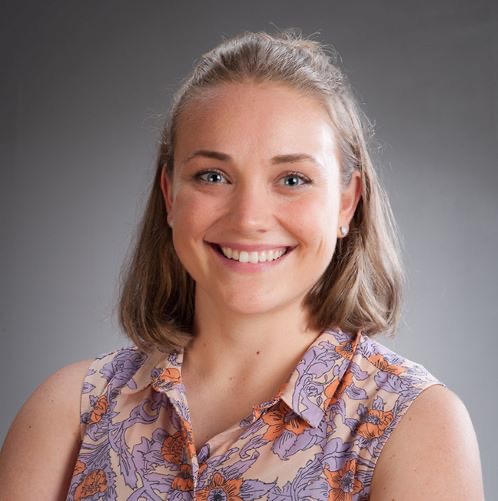
Mary Beth Neff, Ph.D.
m.e.neff@ifikk.uio.no
Visiting Researcher
Mary Beth is a visiting research fellow from the University of Oslo in Norway. In her PhD research she investigated why some young children interpret what other people say very literally (e.g., why when you ask a 4-year-old to “keep their eye on the ball,” they might try to literally put their eye on the ball). She explored factors that can drive this “literal phase” to see how it influences 3- to 7-year-old children’s ability to understand metaphors and other types of figurative language.
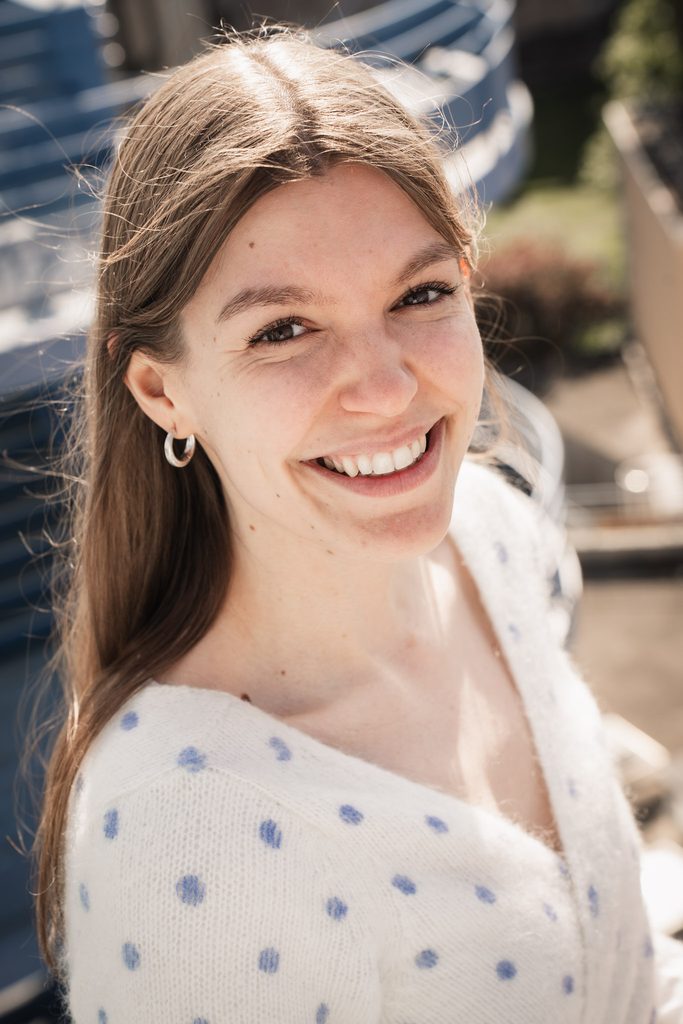
Leonie Baumann, Ph.D.
leonie.baumann@uni-goettingen.de
Visiting Researcher
Leonie is a visiting research fellow from the University of Göttingen in Germany. Her PhD research explores how children develop the ability to think about alternative possibilities – about how the worldcould be, rather than how it actually is. She is particularly interested in when and how this ability first emerges. For example, do children first learn to think about the different things they themselves could do, before they become able to think about how the world itself could be different? She also explores how children’s ability to think about increasingly complex possibilities develops across childhood, and whether this development is related to their growing ability to understand that other people can have alternative perspectives on the world. In her free time, Leonie likes to dance, try out all sorts of crafts, and drink lots of coffee.
Graduate Students
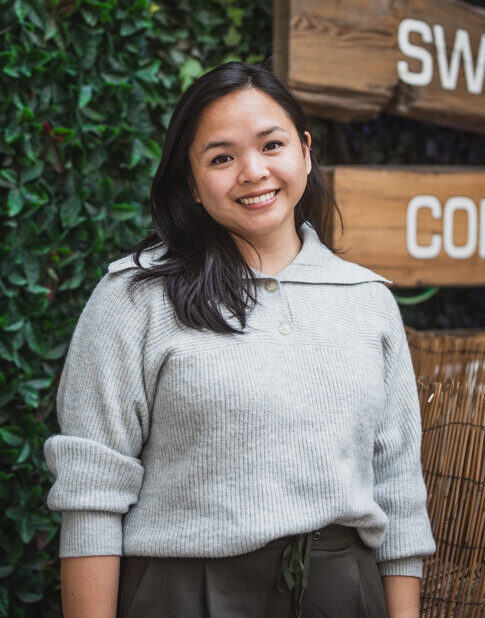
Julianna Lu
julianna.lu@mail.utoronto.ca
3rd year PhD student in the SCCP program
Julianna completed her MA in Developmental Psychology at the University of Waterloo, where she investigated children’s intuitive number sense and probabilistic reasoning. She has also recently completed her MA in the School and Clinical Child Psychology (SCCP) MA program at OISE. She is interested in counterfactual thinking and its association with rumination. For example, counterfactual reasoning is closely related to various social-cognitive variables, such as emotional states of regret and relief. Julianna is interested in exploring the emotional characteristics of counterfactual thinking and their implications on mental well-being. Outside of academia, Julianna enjoys roller skating, reading, sketching, and going for hikes.
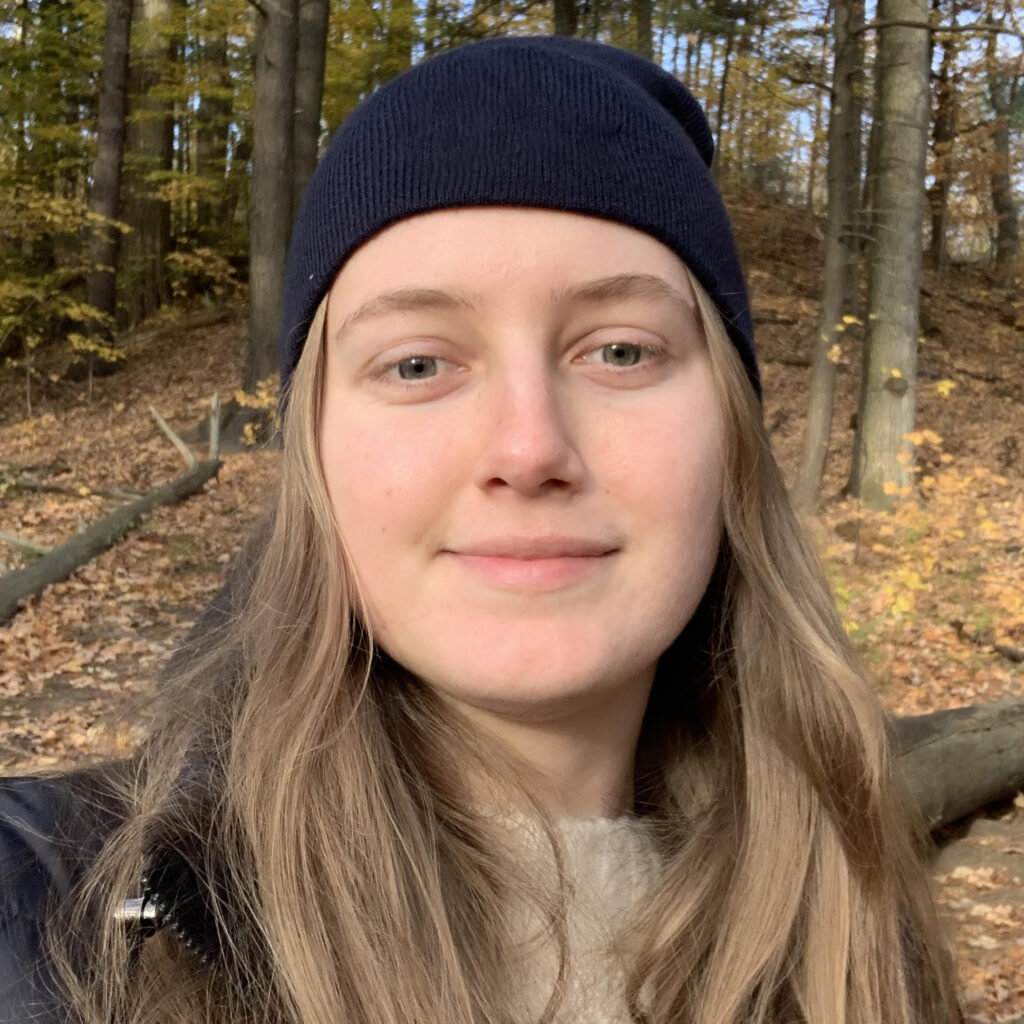
Patrycia Jarosz
jarosz.patrycia@gmail.com
1st year PhD student in the SCCP program
Patrycia completed her undergraduate degree in the Specialized Honours Psychology program at York University, where she evaluated a specialized autism program developed by the YCDSB for her honours thesis. Her current research has shifted toward developmental cognition, specifically children’s counterfactual reasoning. She is particularly interested in how children’s perspective-taking influences their “what-if” thoughts. During her free time, she loves going on walks.
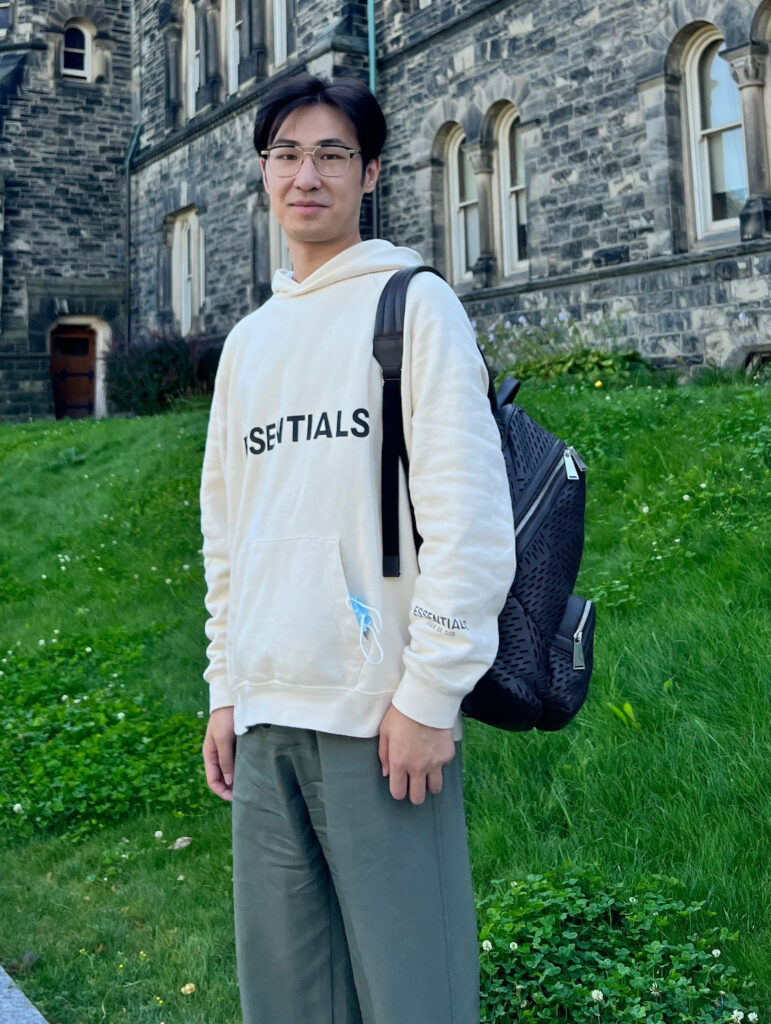
Linlong (Lynn) Wu
linlongg.wu@mail.utoronto.ca
1st year PhD student in the DPE program
Lynn is currently a PhD student in Developmental Psychology and Education program at OISE, University of Toronto. He previously completed his MEd in DPE program at OISE and earned his BSc from Tianjin Normal University. Before beginning his doctoral studies, he also worked as a RA at Beijing Normal University, where he contributed to projects in developmental and educational psychology. His research interests focus on children’s counterfactual reasoning and its role in cognitive and socio-emotional development. He is especially interested in cross-cultural differences in counterfactual thinking across child development. Outside of academia, Lynn enjoys playing tennis, reading, and traveling around.
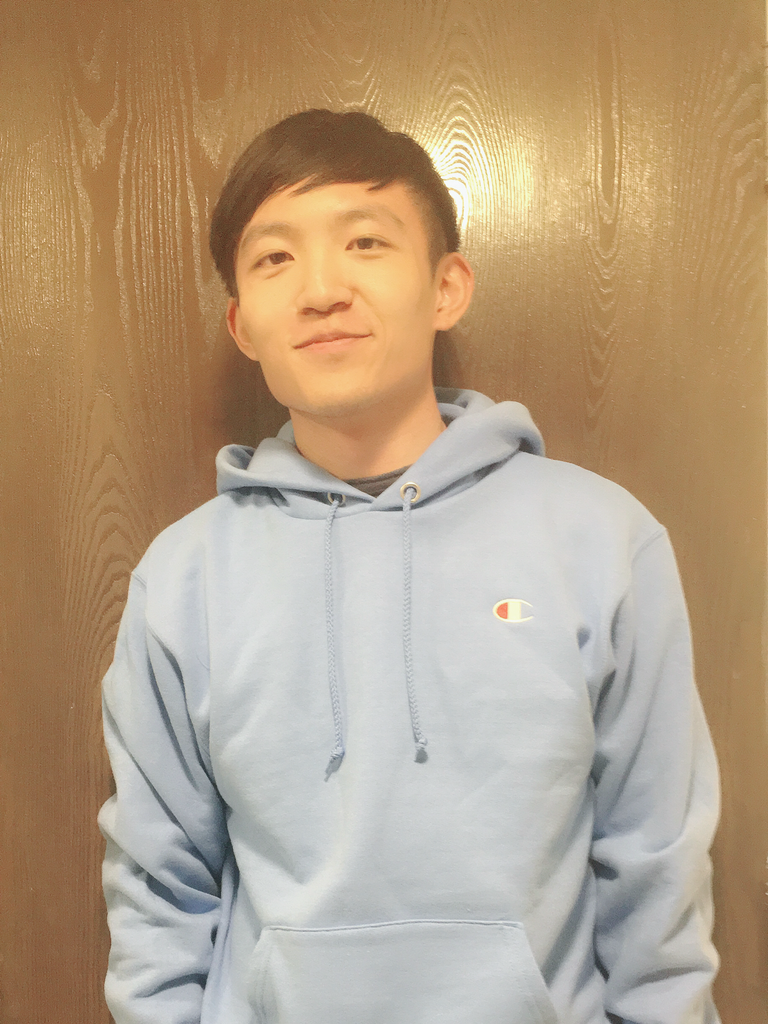
Ange Meng
ange.meng@mail.utoronto.ca
1st year PhD student in the DPE program
Ange is a first-year PhD student in Developmental Psychology and Education at OISE. Before joining the lab, he worked as a Research Program Manager in the Department of Psychology at York University, where he managed a multi-million dollar research-training platform funded by CIHR. Ange loves exploring different cultures and speaks Mandarin, English, French, and a bit of German. As a first-year student, Ange is currently refining his research interests, which broadly center on multilingualism, counterfactual reasoning, and scientific reasoning. Outside of his studies, Ange enjoys spending time with his family and his three pets (a dog and two cats), whom he proudly considers the most lovely in the world.
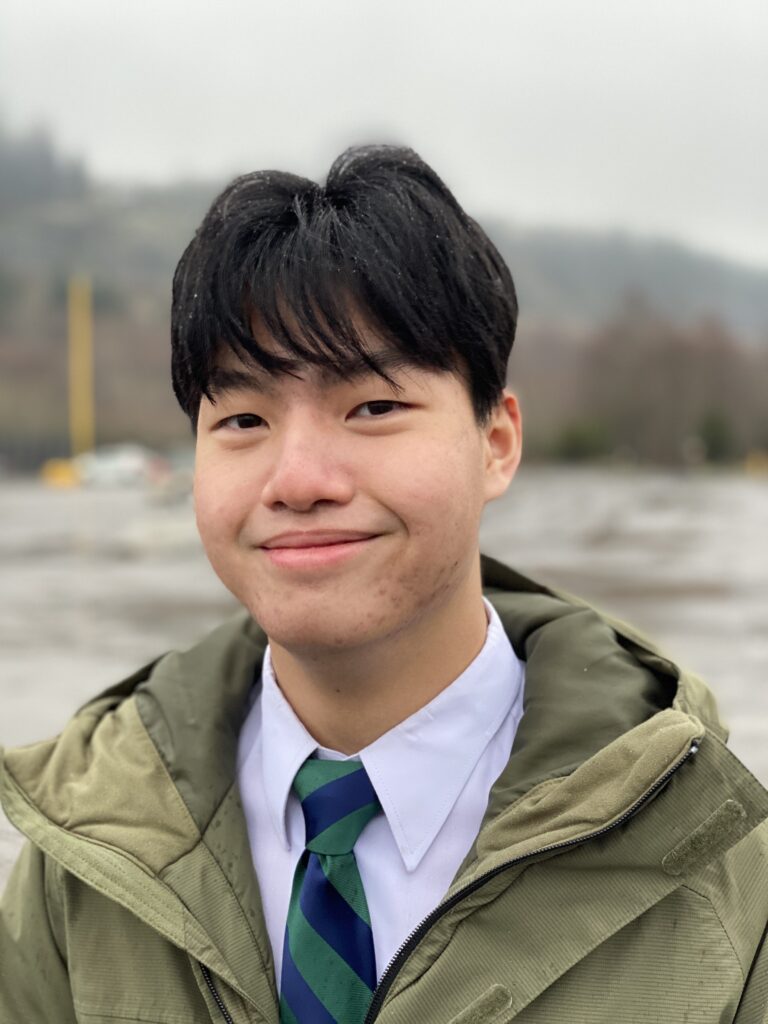
Dominic Le
dominic.le@mail.utoronto.ca
1st year MA student in the DPE program
Dominic completed his Honours Bachelor of Science in psychology and computational cognitive science at the University of Toronto. His research interests are focused on questions like how do adults and children learn new causal structures and mutate existing ones? How does this process change when people are thinking about real vs. counterfactual scenarios? When do children’s awareness of these mental structures resemble adults’? Why? In his free time, he writes and listens to music.
Practicum Students
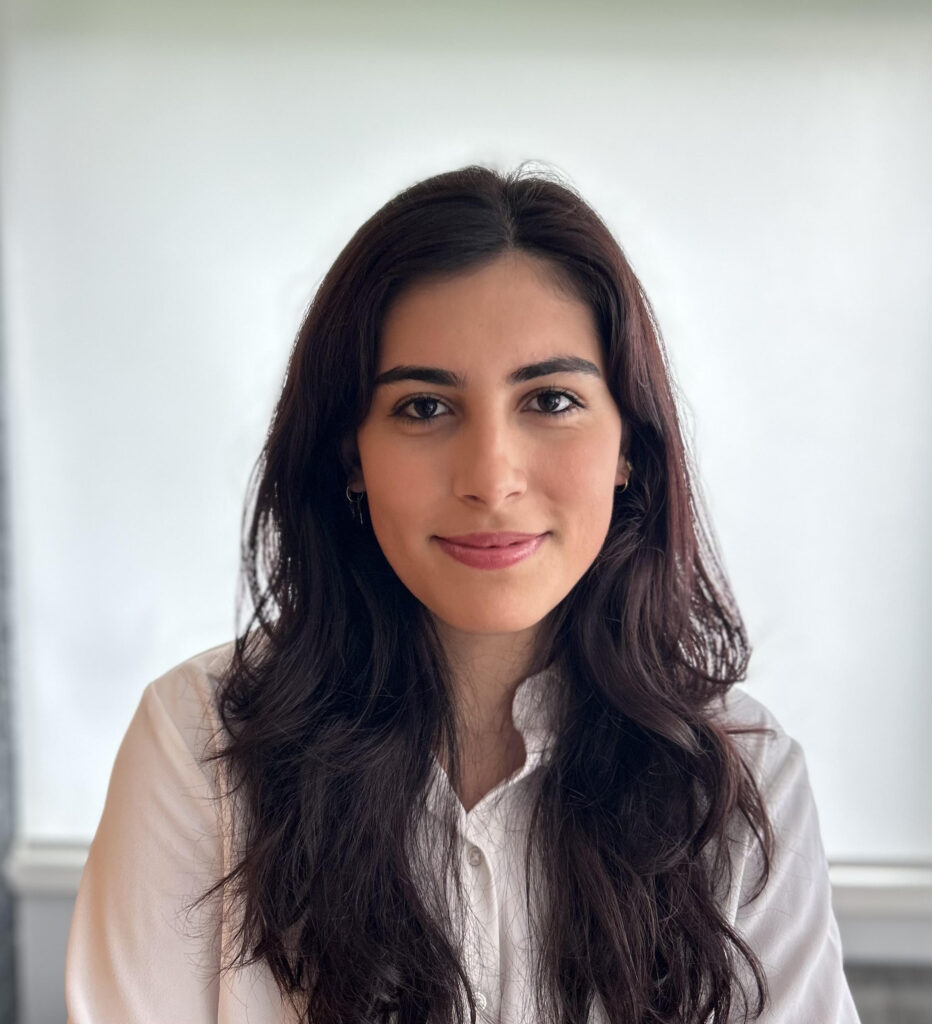
Sophie Akbari
sophieakbari@gmail.com
1st year MEd student in the DPE program
Sophia received her undergraduate degree in Linguistics with a minor in Education from Concordia University. She is currently interested in the development of children’s language abilities, specifically the intersection of language and other cognitive disciplines. She aims to learn more about how counterfactual reasoning can influence theory of mind and language development in children. In her spare time, she enjoys going for long walks, watching movies, and drawing.
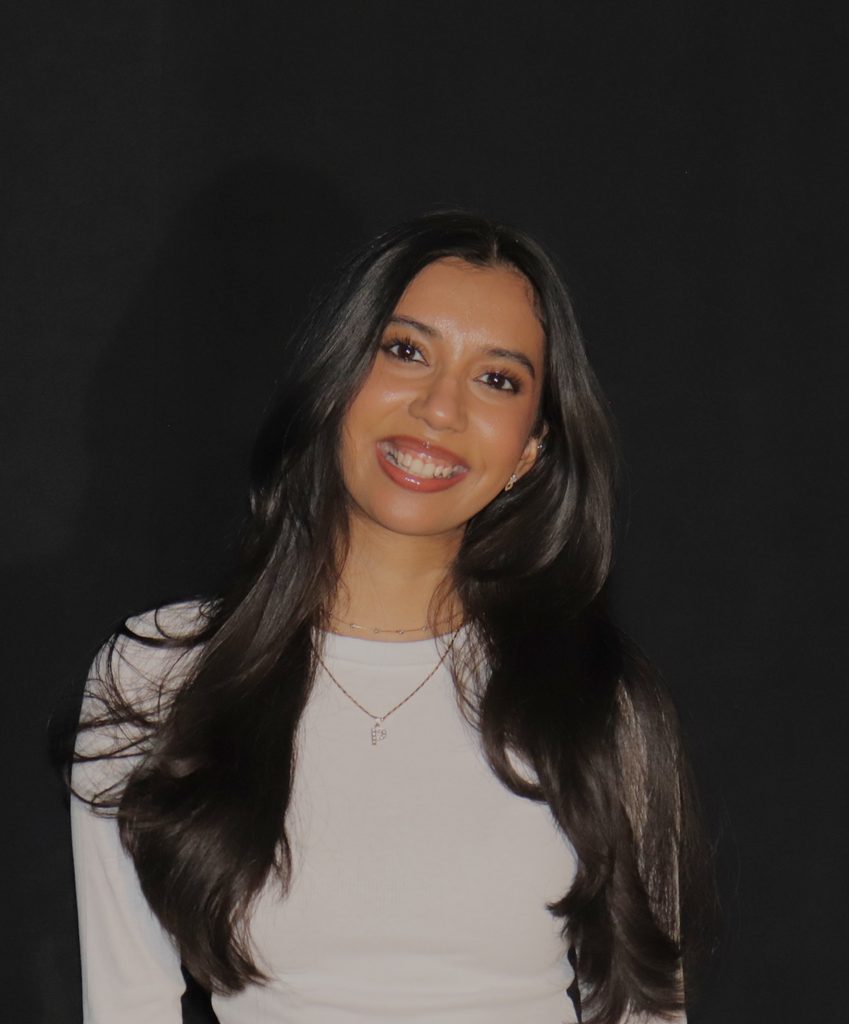
Pankhudi Vyas
pankhudiv.18@gmail.com
1st year MEd student in the DPE program
Pankhudi Vyas graduated from McMaster University with an Honours Bachelor of Applied Science in Psychology, specializing in Autism and Behavioural Science. She is currently pursuing an MEd in Developmental Psychology and Education at the University of Toronto. Her research interests broadly focus on child development, learning, and neurodevelopment, with a particular interest in how children think, learn, and make sense of the world. She is also interested in autism, developmental differences, and research that can contribute to more inclusive educational and developmental practices. Outside of school and research, Pankhudi enjoys dancing, particularly Raas and Garba, and spending time with family and friends.
Research Assistants
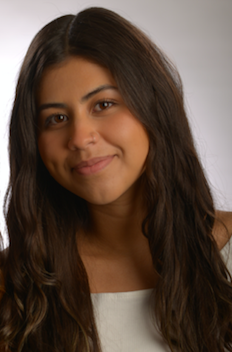
Ariel Burbano
ariel.burbano@mail.utoronto.ca
Ariel a graduate student who has completed her MEd in Developmental Psychology and Education at OISE. Previously, she completed her BSc in Psychology with a minor in Biology at the University of Waterloo. Ariel’s research interests are in cognitive development, language and decision making. Outside of school, Ariel works in an OBGYN office assisting with patient onboarding, education, and communication. The highlight of her year was completing the Salcantay Trek in Peru!
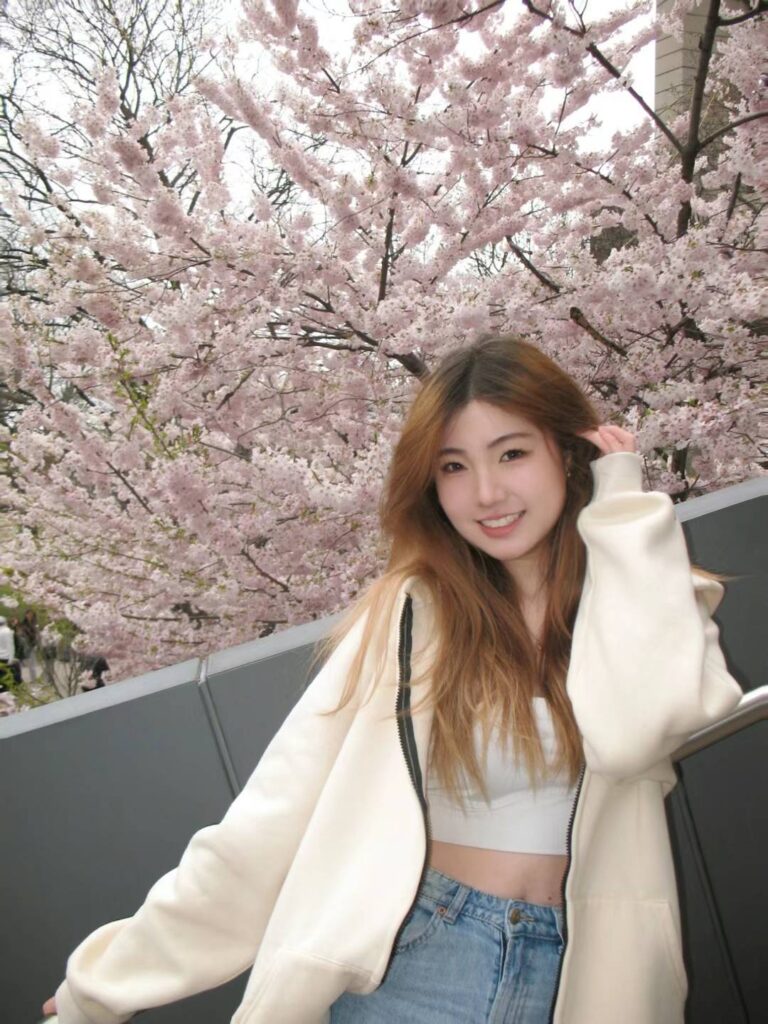
Selina Zheng
selinazhenghanyi@gmail.com
Selina is a fourth-year undergraduate student at the University of Toronto specializing in Psychology. She is passionate about child development, cognitive psychology, and how parenting styles mediate children’s cognition. She has gained clinical research experience at the Beijing Suicide Research and Prevention Center, where she supported intervention programs for patients with serious mental disorders. She also worked as a Research Assistant in the Developmental Psychopathology Lab, where she contributed to research on child development and differential parenting. These experiences have deepened her interest in developmental psychology and mental health research. Outside of academics, she enjoys photography and playing the piano.
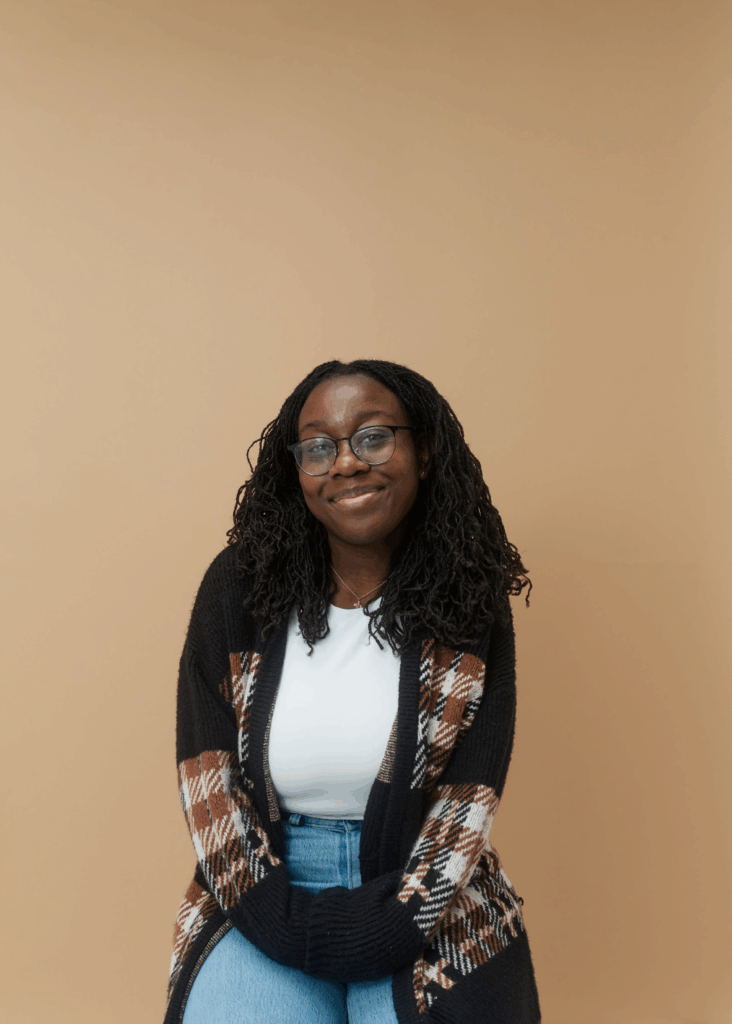
Samantha Williams
samanthalwilliams395@gmail.com
Samantha recently graduated from York University
with a Specialized Honours Bachelor’s Degree in Psychology. Her
honours thesis examined the effects of socioeconomic status and
early-life stress on memory performance and academic outcomes. Her research interests include child development and cognitive psychology, and she aspires to pursue a career in School Psychology. Outside of research, Samantha enjoys embroidery, journaling, and photography.
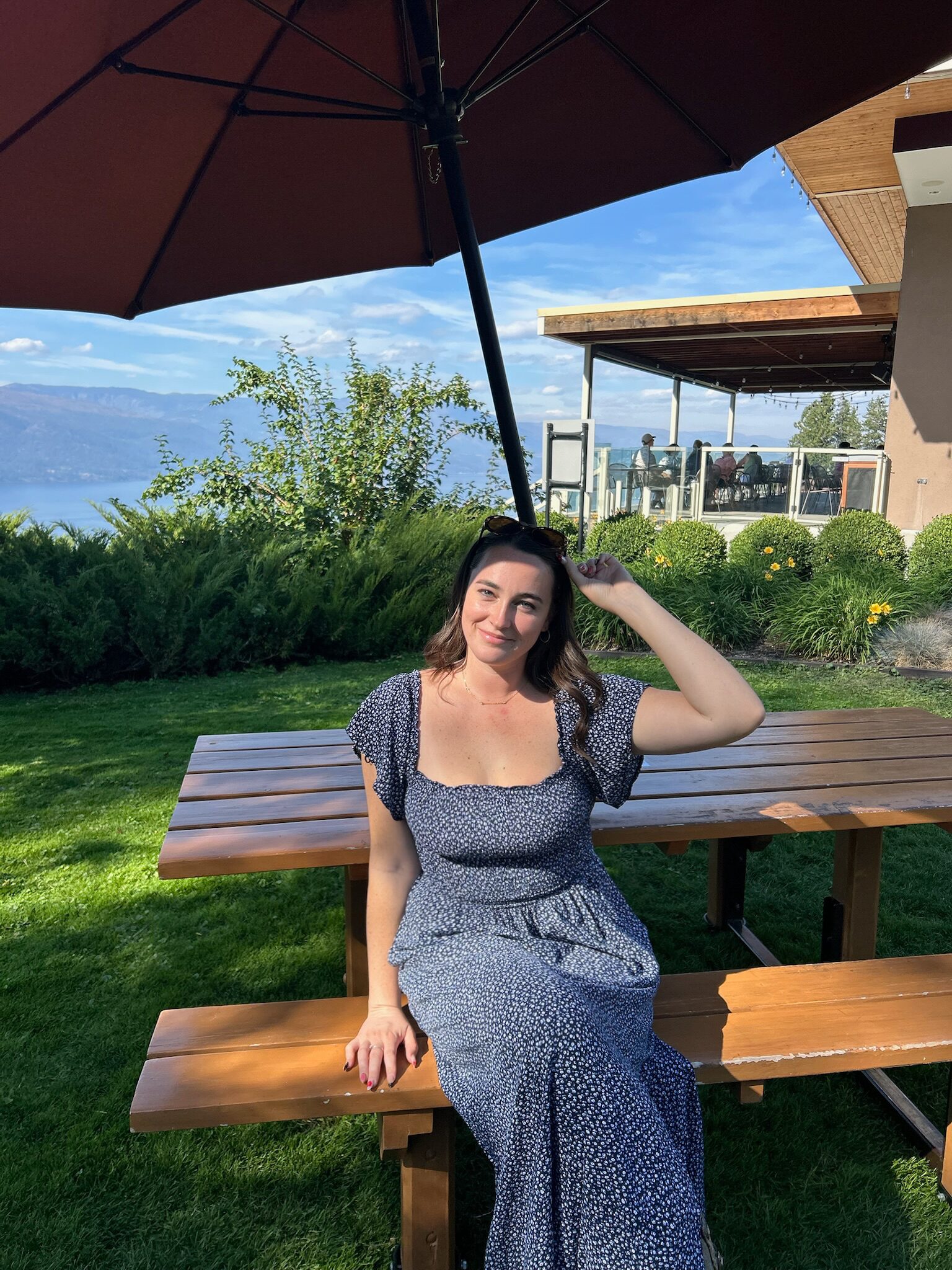
Paige Kilmurray
paige.kilmurray@mail.utoronto.ca
Paige is a recent graduate of the DPE MEd program and holds an undergraduate degree in Honours Social Psychology from McMaster University. She is interested in early childhood development and the ways our childhood experiences shape our personalities and preferences as we grow. She enjoys reading and running in her free time.